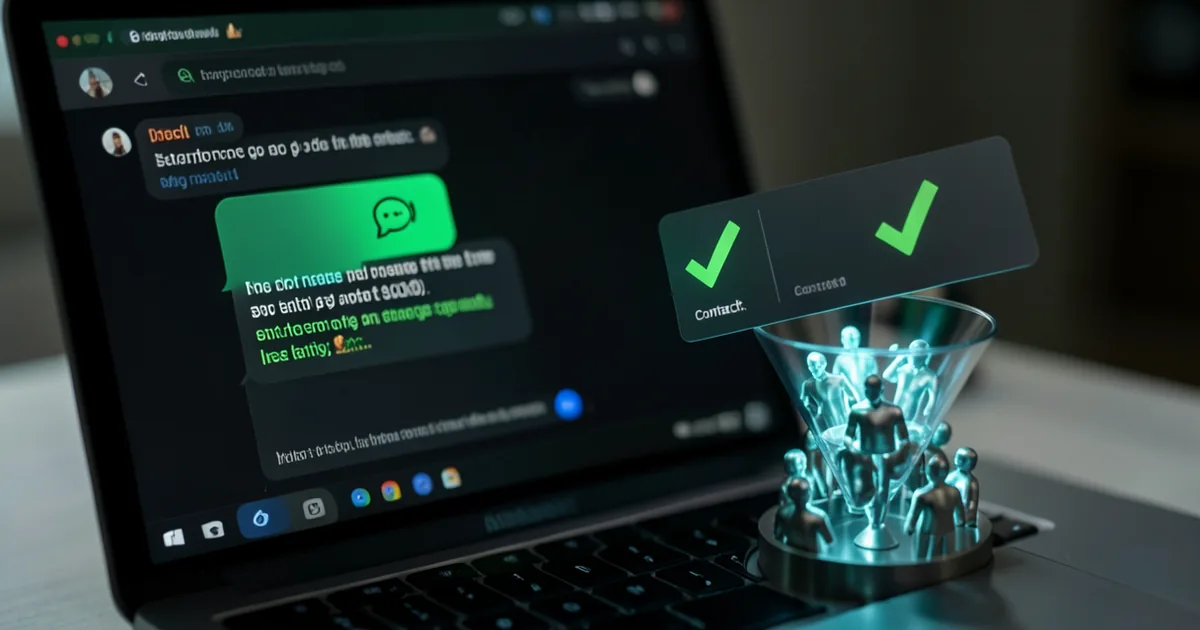
Customer support has undergone more transformation in the past eighteen months than in the previous decade. The release of production-ready AI agents, combined with dramatic improvements in language model quality and cost, has moved AI support from experimental to essential. In 2026, the companies that are winning at customer experience are not the ones with the biggest support teams -- they are the ones with the smartest AI infrastructure. Here are the trends defining AI customer support this year, and the practical steps you can take to stay ahead.
Trend 1: Multi-Model Architectures Are Now Standard
The era of being locked to a single AI provider is over. Leading support platforms now route queries to different language models based on complexity, cost, and capability. Simple FAQ-style questions go to fast, cheap models. Complex reasoning tasks that require nuanced understanding route to more capable models. Sensitive queries might use a specific model based on compliance requirements. This multi-model approach can cut cost meaningfully compared to routing everything through a single premium model, while keeping quality where it matters most. kaag.ai lets you choose from leading AI models out of the box, giving businesses the flexibility to implement this strategy immediately.
Trend 2: Agentic Actions Replace Ticket Escalation
The traditional support workflow of "AI agents cannot help, escalate to human agent" is being replaced by AI agents that can actually resolve issues. When a customer wants to change their subscription, the AI agent calls the billing API directly. When they need to reschedule a delivery, the agent interacts with the logistics system. When they want a refund, the agent processes it after confirmation. This shift from information-only to action-capable AI is one of the biggest changes in customer support right now. Companies implementing agentic actions can see meaningful reductions in human escalation volume.
Trend 3: Proactive Support Through Intent Detection
Reactive support -- waiting for customers to reach out -- is giving way to proactive AI that detects frustration, confusion, or purchase intent in real time. Smart triggers monitor user behavior on your website and initiate conversations at the right moment. A visitor lingering on the pricing page for over sixty seconds gets a targeted offer. A user repeatedly visiting the cancellation page gets proactive retention outreach. A shopper adding and removing items from their cart receives sizing or comparison help. These triggers are powered by the same language models that handle conversations, making them contextually aware rather than rule-based.
Best Practices for AI Customer Support in 2026
- Start with your knowledge base. The single most impactful thing you can do is ensure your AI has access to comprehensive, up-to-date documentation. Audit it quarterly.
- Implement token budgets and cost controls from day one. AI costs can spiral without guardrails. Set daily limits per tenant or department and monitor usage.
- Use confirmation flows for irreversible actions. Never let the AI process refunds, cancel subscriptions, or modify accounts without explicit user confirmation.
- Monitor hallucination rates by sampling conversations weekly. RAG reduces hallucination dramatically, but it does not eliminate it entirely.
- Deploy in phases: knowledge base first, then agentic actions, then proactive triggers. Each phase should be stable before adding the next.
- Keep a human escalation path always available. Even the best AI cannot handle every situation, and customers need to know they can reach a person when needed.
What This Means for Your Business
The window for AI customer support to be a competitive differentiator is closing. In 2024, having an AI agents was impressive. In 2026, it is table stakes. The differentiator now is how sophisticated your AI support is: Does it take actions or just answer questions? Does it use the right model for each query? Does it proactively engage visitors at the right moments? Does it integrate with your actual business systems? If you are still running a basic FAQ AI agents, you are already behind. The good news is that platforms like kaag.ai make it possible to jump straight to the current state of the art without building custom infrastructure.